Music Therapy FAQs:
Your Music Therapy Questions Answered
We understand you may have questions about music therapy and how it works. Here are answers to the most common questions we receive. If you don’t find what you’re looking for, please don’t hesitate to contact us.
Understanding Music Therapy
What is music therapy and how does it work?
Music therapy is a research-based practice and profession in which music is used to actively support people as they strive to improve their health, functioning and wellbeing. (This definition comes from the Australian Music Therapy Association Inc.)
Music therapists partner with people to set goals to be worked on in music therapy. These might be communication, social, movement, emotional, and/or spiritual goals. A range of music-making methods are incorporated, within a safe therapeutic relationship. Music therapists are committed to supporting people of any age and ability regardless of musical skill, culture or background.
Who are Registered Music Therapists?
Registered Music Therapists are skilled musicians who have trained at university to understand how music impacts behaviours, cognitive processes and emotions. They must be registered with the Australian Music Therapy Association Inc.
Further information: To watch engaging case studies and interviews with leading music therapists working in neurorehabilitation, disability, aged care, palliative, mental health and pediatric, please visit the RMTs Change Lives website.
Neurologic Music Therapy®
What is Neurologic Music Therapy®?
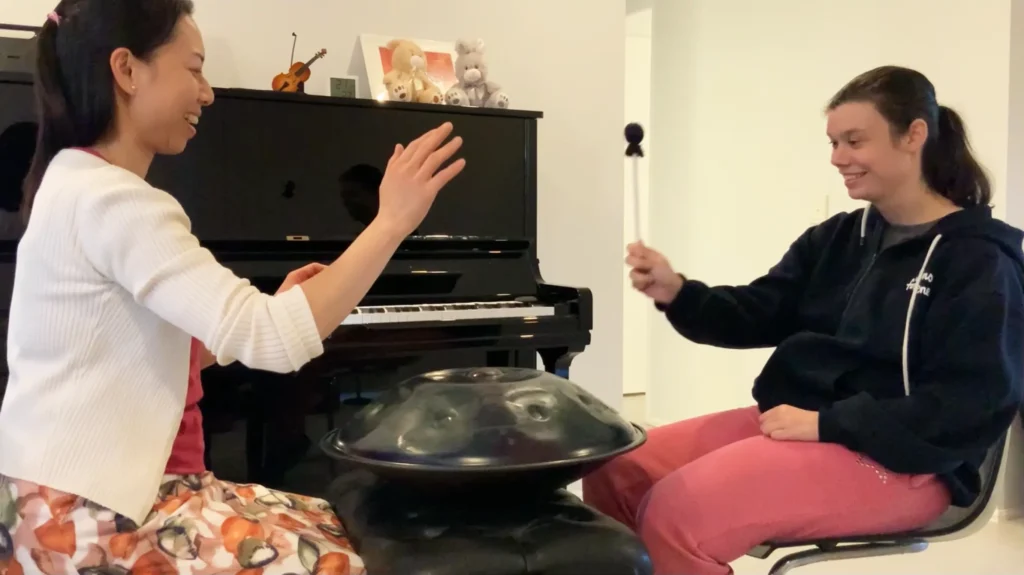
Neurologic Music Therapy® is an advanced form of music therapy that uses research-based techniques to address cognitive, sensory and motor functions that are affected by neurological diseases of the human nervous system.
Research has shown that music and rhythm affect multiple areas of the human brain at once on a subconscious level. Neurologic Music Therapists use music and rhythm to “bypass” the affected areas of the brain and work with undamaged areas of the brain to create new neuropathways, thus improving brain function.
Neurologic Music Therapists are required to complete specialised training beyond standard music therapy qualifications.
Neurologic Music Therapy® programs are developed specifically for people of all ages with neurological disorders including, but not limited to:
- Parkinson’s and Huntington’s disease
- Alzheimer’s disease
- Stroke
- Traumatic brain injury
- Developmental disorders
- Multiple Sclerosis
- Cerebral Palsy
- Autism
- Other neurological diseases affecting cognition, movement, and communication.
What kind of therapeutic outcomes can be expected from Neurologic Music Therapy®?
Musicgrace has a special focus on rehabilitative work for people with neurological disorders. The outcomes will vary for individuals, depending on their goals and their conditions. Some positive outcomes can include:
Cognitive:
- Increase attention functions.
- Facilitate memory recall.
- Improve function skills, such as organization, problem solving, decision making, reasoning and comprehension.
- Facilitate meaningful responsiveness and orientation to time, place and person.
Speech and Language:
- Enhance speech development.
- Improve muscular coordination and pacing for apraxia of speech, dysarthria or fluency disorder.
- Facilitate voice control including inflection, pitch, breath control, timbre and dynamics.
- Facilitate initiation and articulation in speech and language.
- Enhance articulatory control and respiratory strength.
Sensorimotor:
- Improve the control of movement.
- Enhance functional gait patterns.
- Facilitate functional movements.
Music Therapy Sessions in Brisbane: What to Expect
What happens in a Music Therapy Session?
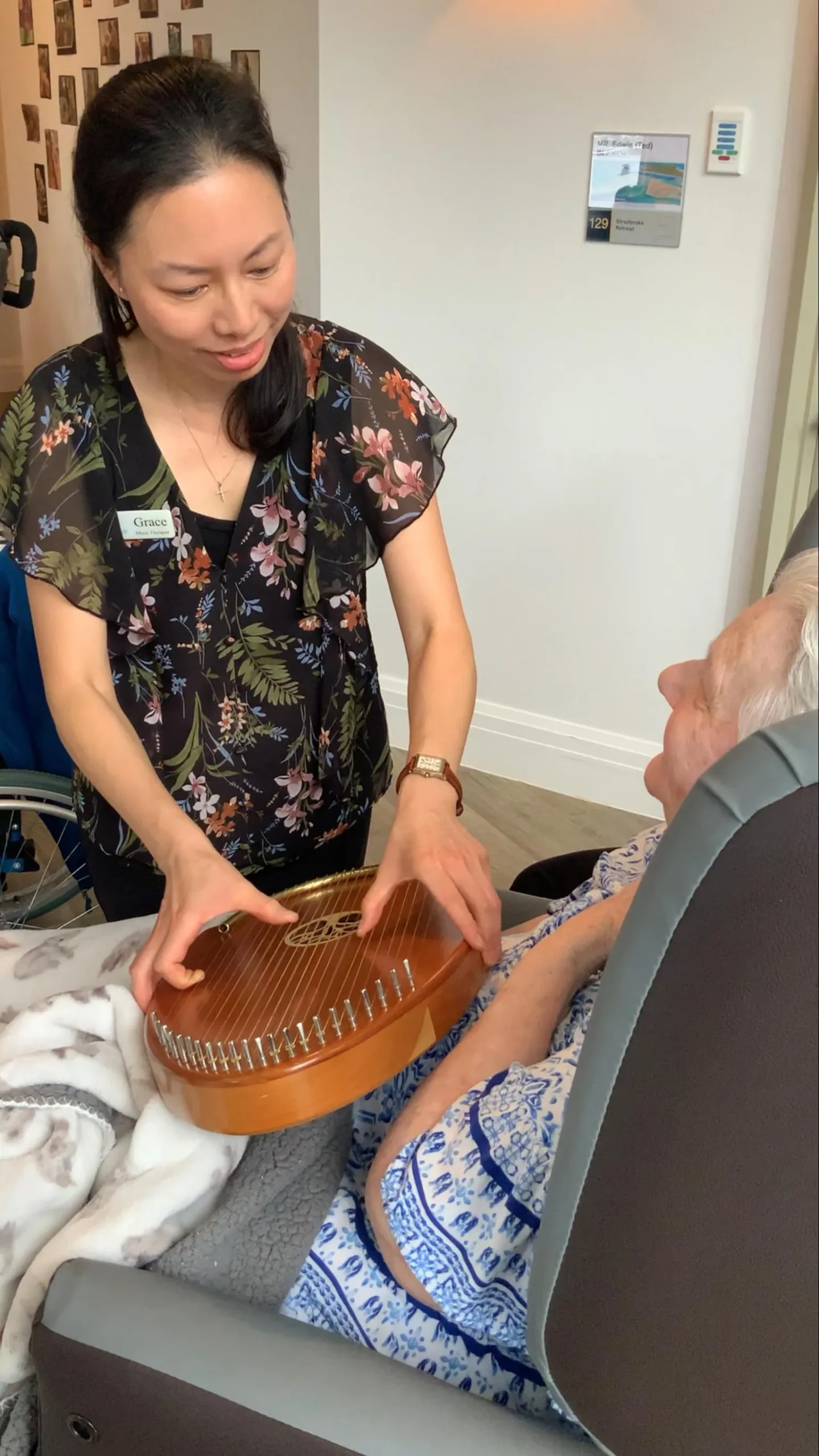
At the first meeting with you, the therapist will assess your needs and abilities. We use a music therapy assessment tool to identify various areas, including current health status, diagnoses, cognition, communication, emotion, social interaction, motor skills, musical preference and musical training. Then we develop a music therapy program to meet your needs and abilities, enabling you to make progress at your own pace.
Our therapist will address specific therapeutic goals using various music interventions, such as:
- Singing
- Lyric discussion or analysis
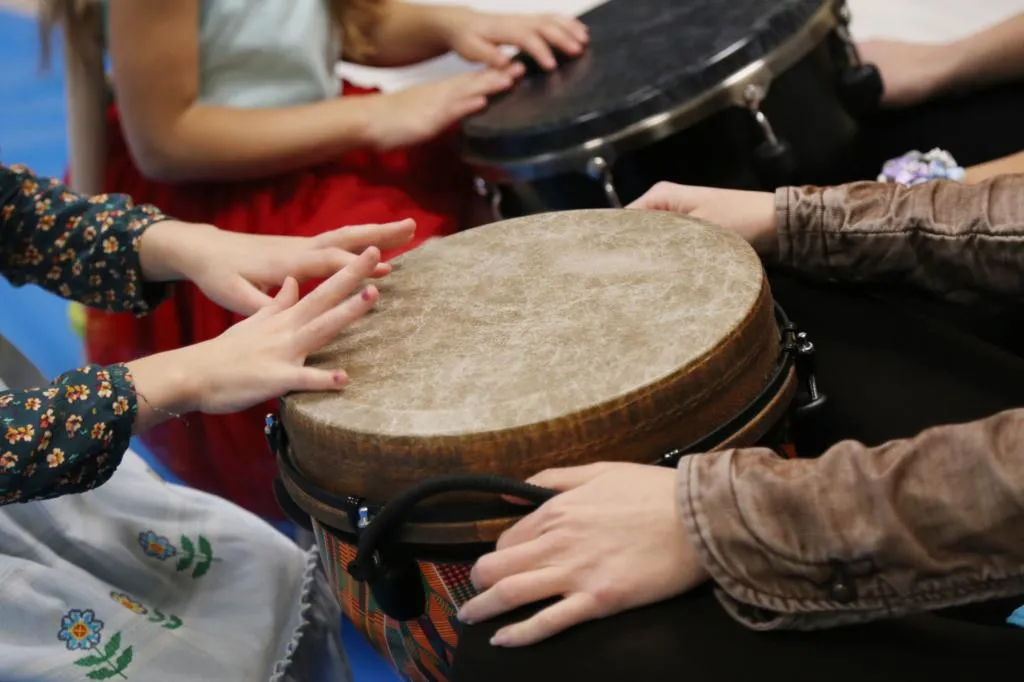
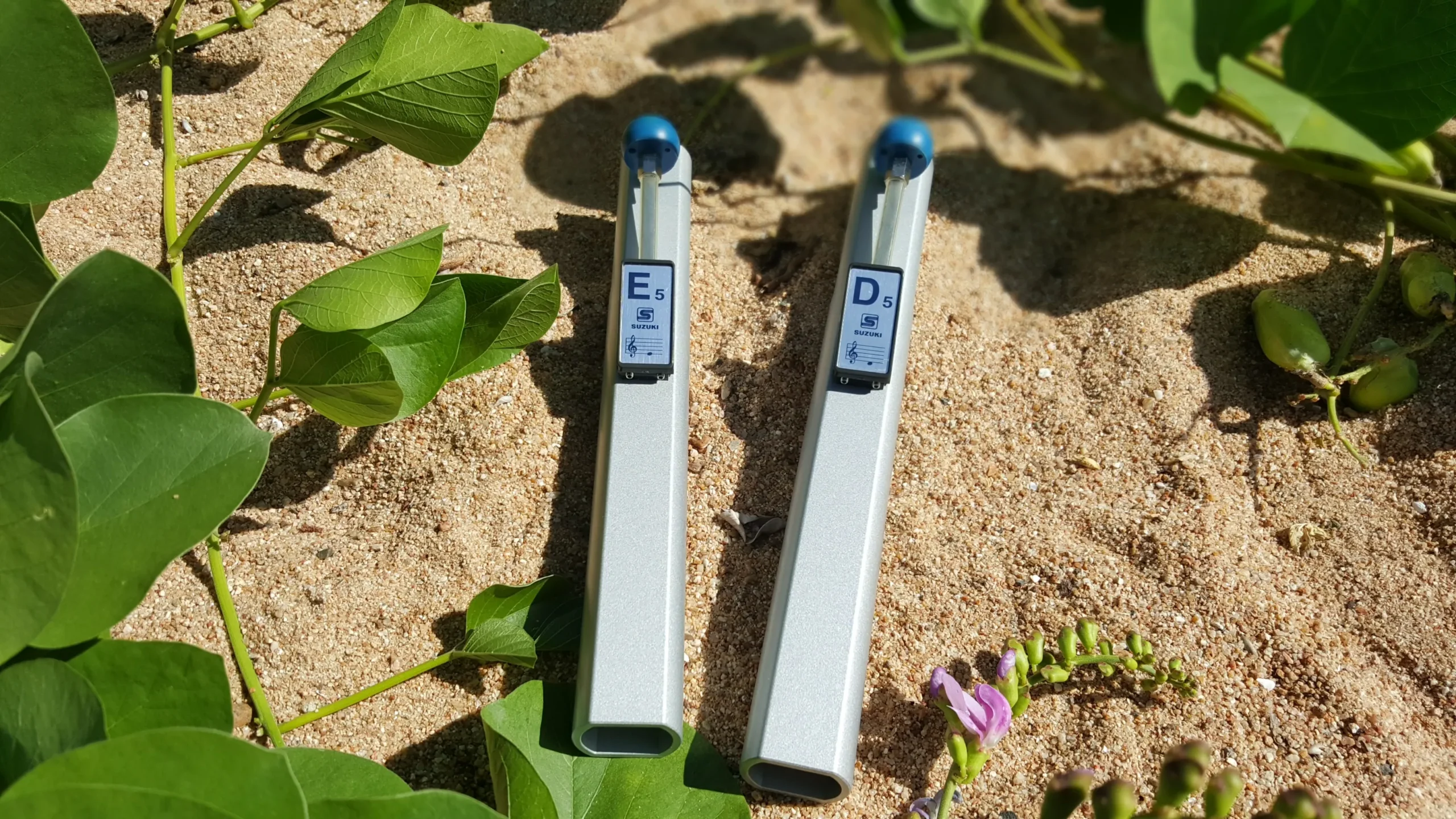
- Playing musical instruments
- Songwriting
- Listening to music
- Improvising music
- Movement to music
No background in music is required to benefit from Music Therapy, and the sessions are guided by your ability and preference. We do not focus on teaching skills or an instrument, but you may enjoy learning some specific techniques from your therapist as you work together.
What types of music are used in therapy sessions?
The music that is used during the sessions will be chosen by you or by the therapist. The music therapist will ensure the type of the chosen music, as well as the timing of the interventions, are appropriate for meeting your needs and your goals for the session.
When introducing music, the therapist will base their choice on your current situation. For example, the therapist will ensure the lyrics and melody of a selected piece of music are well matched with your mood and psychological state during the session.
Where are Musicgrace services located in Brisbane?
Our therapist comes to you. Sessions can be conducted in your home or other premises such as aged care facilities, a community centre, disability organisation or rehabilitation centre. Musicgrace is based in Brisbane and services individuals and organisations in the wider Brisbane area.
How do I get started with music therapy?
Getting started is simple:
Via phone, email, or our online enquiry form
To discuss your needs and goals
With one of our registered music therapists
With personalised music therapy sessions
What if music therapy isn't working for me?
We regularly review progress and adapt our approach based on your feedback and outcomes. If music therapy isn’t the right fit, we’ll have an honest conversation and can provide referrals to other appropriate services. Your wellbeing is our priority.
Still Have Questions About Music Therapy?
We’re here to help. If you have questions that aren’t answered here, please don’t hesitate to reach out.
Music Lessons vs Music Therapy
Both use music, but they are designed for different goals.
If you are deciding between music lessons and music therapy, the instruments and activities may look similar at first. Both may include singing, playing, listening, improvising or writing songs. The key difference is why those activities are used. Music lessons mainly teach musical knowledge and performance skills. Music therapy uses music within a therapeutic relationship to work towards health, functioning, participation and wellbeing goals.
Musicgrace provides clinical music therapy through qualified Registered Music Therapists. Sessions are planned around the person, their strengths, preferences and agreed goals. The answers below explain what to expect and how to decide which option may be the better fit.
Music Lessons and Music Therapy at a Glance
Area | Music lessons | Music therapy |
|---|---|---|
Main purpose | Build musical knowledge, technique and performance skills. | Work towards therapeutic and functional goals through music. |
Who leads it | A music teacher or instrumental tutor. | A qualified Registered Music Therapist. |
Planning | Usually follows a learning programme, repertoire or examination pathway. | Begins with assessment, shared goals and an individual therapy plan. |
Activities | Instrument practice, singing, theory, technique, reading and repertoire. | Singing, instruments, rhythm, songwriting, listening, improvisation or movement, chosen for a therapeutic purpose. |
Progress | Measured through musical accuracy, technique, knowledge and performance. | Reviewed against agreed outcomes such as communication, movement, regulation, cognition or participation. |
Musical experience | Helpful at more advanced levels, but beginners are welcome. | Not required. Activities are adapted to the person’s abilities and preferences. |
Frequently Asked Questions
What is the main difference between music lessons and music therapy?
The main difference is the goal. A music lesson is designed to help someone learn music, such as improving piano technique, reading notation, developing their voice or preparing a piece for performance. Music therapy uses music to work towards non-musical goals related to health, functioning and wellbeing. These may include communication, emotional regulation, attention, movement, memory, social interaction or participation. In music therapy, musical skill can develop, but it is not the main measure of success.
What do music lessons and music therapy have in common?
Both can be enjoyable, creative and adapted to the individual. A music teacher and a music therapist may use the same instruments, songs or activities. Both may also help a person feel more confident or connected. What changes is the purpose and professional process. In a lesson, the activity is used to teach music. In therapy, the activity is selected and adjusted to create opportunities to practise an agreed therapeutic goal.
What goals are addressed in music therapy compared with music lessons?
Music lessons usually focus on musical goals, such as keeping a steady beat, learning chords, improving pitch, reading music or performing a song. Music therapy focuses on goals that matter in daily life. A child might practise taking turns or expressing a choice. An adult may work on emotional awareness, communication or confidence. An older person may work on engagement, memory or connection. Neurologic Music Therapy may also use structured music and rhythm to support selected movement, speech or cognitive goals.
Do I need musical experience to take part in music therapy?
No. You do not need to sing in tune, read music or know how to play an instrument. A Registered Music Therapist adapts each activity to the person’s abilities, communication style, sensory needs and preferences. Participation may involve making a sound, tapping a beat, choosing between two songs, moving, listening or contributing a word to a song. The therapist is interested in how the person responds and participates, not whether the music sounds polished.
Can someone learn an instrument during music therapy?
Instrument playing can be part of music therapy, but the reason for using the instrument remains therapeutic. For example, pressing piano keys may support finger movement, drumming may create opportunities for turn taking, and learning a short chord pattern may support attention, confidence or self-expression. A therapist may teach enough musical technique to make the activity useful and enjoyable. If the main goal is to master an instrument, study music theory or prepare for an examination, regular music lessons are usually the more suitable choice.
Who provides music lessons and who provides music therapy?
Music lessons are generally provided by music teachers, instrumental tutors or vocal coaches. Their training and experience can vary, and many are highly skilled educators and performers. Music therapy must be provided by a properly qualified music therapist. In Australia, a Registered Music Therapist has completed recognised university training and maintains registration with the Australian Music Therapy Association. This training covers clinical practice, assessment, goal setting, ethics, safe use of music and evaluation, as well as a high level of musical skill.
What happens in a music therapy session compared with a music lesson?
A music lesson may include warm-ups, technique, theory, practice tasks and work on specific pieces. A music therapy session starts from the person’s therapeutic goals and current needs. It may include singing, instrument playing, songwriting, listening, improvisation, rhythm or movement. The therapist changes the pace, level of challenge, amount of choice and musical material in response to the client. At Musicgrace, assessment, tailored sessions and regular review are part of the process.
How is progress measured in music therapy?
Progress is reviewed against the goals agreed with the client and, where appropriate, their family or support team. A therapist may record changes in how long a person sustains attention, how often they initiate communication, how they manage a transition, or how they complete a planned movement or speech task. Feedback from daily life can also be useful. Musicgrace can provide assessment and progress reports when required. Progress is individual, and the programme is adjusted when needs or priorities change.
Can NDIS funding be used for music therapy or music lessons?
Music therapy can be funded by the NDIS when it is an approved therapy support, relates to the participant’s goals and meets the NDIS funding criteria. It must be delivered by an appropriately qualified Registered Music Therapist. Funding is not automatic, so the participant should check their plan and current arrangements with the NDIA, plan manager or support coordinator. Music lessons are not funded as therapy, and the ordinary cost of a music class or lesson is generally not an NDIS therapy support. Musicgrace can explain its service and the documentation that may be required, but cannot confirm funding approval for an individual plan.
Can a person have both music lessons and music therapy?
Yes. The services can sit alongside each other when each has a clear role. Someone may attend music therapy to work on communication, regulation, movement or participation while also taking lessons to learn an instrument for enjoyment or musical development. The same activity should not be represented as both services at the same time. Musicgrace provides registered music therapy rather than standard music tuition. If you are unsure which option fits, start with the outcome you want and speak with the appropriate professional.
Not Sure Which Support Is Right for You?
If your main goal is to learn an instrument, improve musical technique or prepare for a performance, a music teacher is likely to be the right starting point. If you want to use music to work towards communication, emotional, cognitive, movement, social or wellbeing goals, music therapy may be worth exploring.
Talk with Musicgrace about your goals. Contact our Brisbane team or call 1300 263 559 for a no-obligation conversation about whether an assessment may be appropriate.