
A calm and practical look at how music for sleep and relaxation can support evening routines, rest and everyday wellbeing for adults seeking better sleep or relaxation.
Quality sleep and relaxation are essential for overall wellbeing, and music offers a simple, accessible tool to support these goals. Whether you struggle with stress, busy routines, pain, worry, overstimulation or changes in health, music for sleep and relaxation can help signal rest, reduce mental noise and support a calmer transition from daytime activity to evening quiet.
How Music for Sleep and Relaxation Works
Music for sleep and relaxation works by engaging both the body and mind in ways that promote rest and recovery. A steady, calming track may help synchronise with a slower heart rate and signal to the body that it’s time to unwind. Listening to gentle music before bed can support a calmer transition into sleep by giving the mind something steady to focus on, helping prevent overthinking. Soft, continuous background music can also mask disruptive environmental sounds that might otherwise interrupt rest, and music a person genuinely enjoys may support overall feelings of relaxation and wellbeing.
Slower Breathing and Reduced Tension
Music for sleep and relaxation can support the body by encouraging slower breathing, reduced tension and a steadier pace. When music is slow, predictable and not too stimulating, it can help create a sense of safety. This matters because the body often needs time to shift out of alert mode before sleep becomes easier.
Creating a Consistent Routine
A calming music routine can also support consistency. If the same music is used each night during wind-down time, the brain begins to connect that sound with rest. This doesn’t mean sleep will happen instantly, but it can help create a reliable cue, and over time that cue may make the evening routine feel more settled.

Choosing Relaxing Music That Helps Rather Than Stimulates
Not every relaxing song will be relaxing for every person. Some music may bring up memories, emotions or energy that makes sleep harder. Others may find silence uncomfortable and prefer gentle background sound. The best starting point is to notice how the body responds, does the music slow breathing? Does it soften tension? Does it make the mind busier or quieter?
For sleep, music is often more useful when it’s steady, soft and simple, without abrupt volume changes or complex rhythms. Many people find instrumental music more soothing than music with lyrics, since there are no words competing for attention. Genres that tend to suit winding down include ambient and meditation music, gentle classical pieces, and natural sounds such as rain or ocean waves. A short wind-down playlist of three to five tracks, used at a similar time each evening, is usually enough, long enough to support the transition into rest, but not so long that it becomes another task to manage.
Mindful listening can also help people notice emotions. A person might ask: what does this music bring up for me? Where do I feel it in my body? What do I need right now?
Using Calm Music with Breathing and Relaxation
Music can be paired with breathing to help a person relax while breathing more slowly. A person might breathe in for a few beats and breathe out for a few beats while listening to a slow rhythm, the aim isn’t to force the breath, but to give it a gentle pattern. This can be useful for people who feel restless, tense or mentally busy before bed.
Music can also support progressive muscle relaxation, stretching or quiet reflection. For example, a person might play a soft track while relaxing the shoulders, unclenching the jaw and slowing their movements. These small physical cues can help the nervous system prepare for rest.
Building a Simple Evening Routine for Better Sleep
A music-supported evening routine works best when it’s simple. Start with one consistent cue, such as dimming the lights, putting devices away, playing the same calming playlist, and keeping the volume low. The goal is to help the body understand that the day is ending.
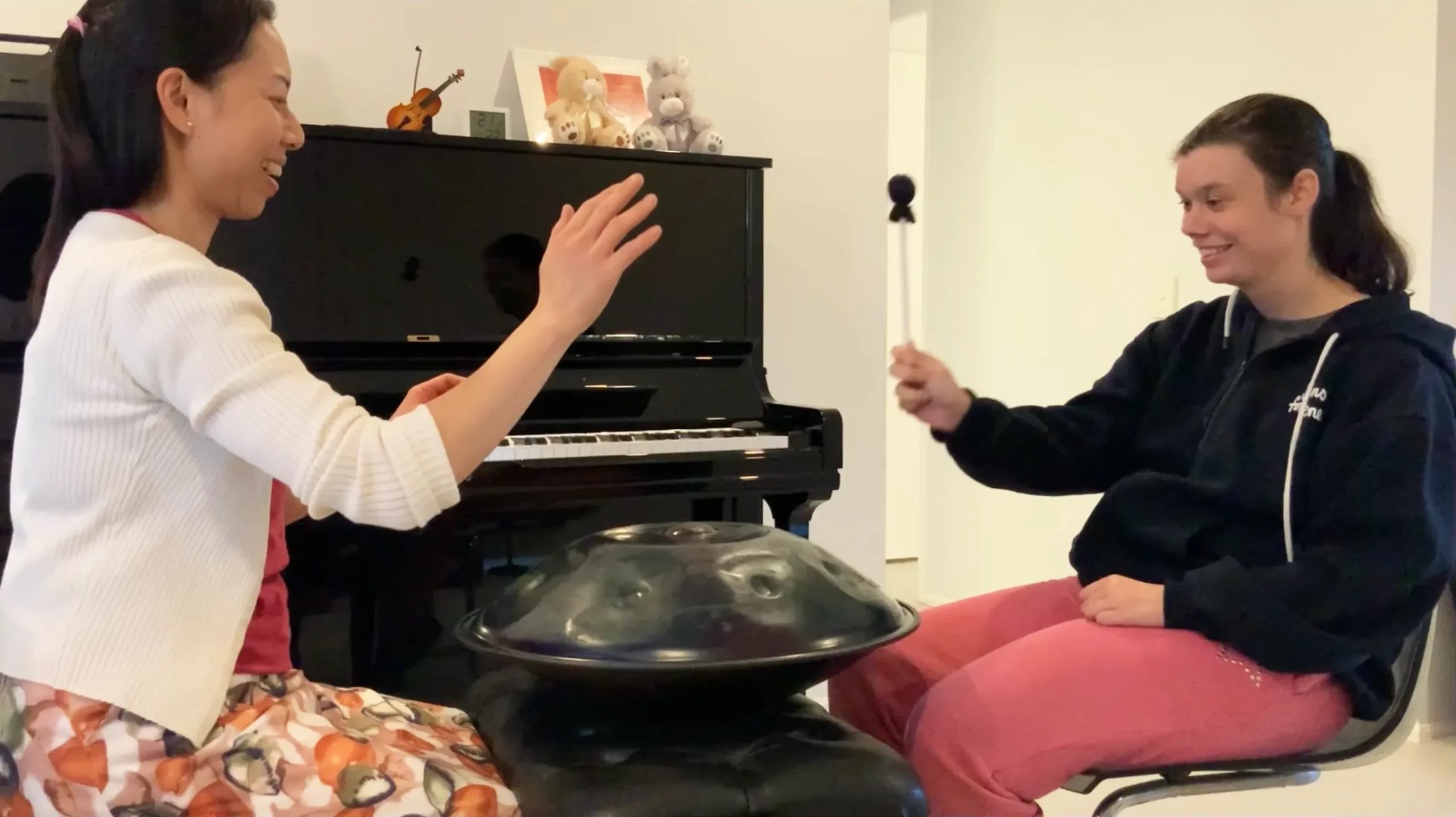
For adults receiving support at home, music can be included in routines with the help of carers, family members or therapists. This may be useful for people who need structure, emotional support or help managing changes in energy and mood. The routine should be personal, respectful and easy to repeat, some adults find it helpful to listen to the same playlist each night to support the process of falling asleep.
Keeping Music Choices Personal
The best music for rest is usually music the person feels genuinely comfortable with. A song that relaxes one person might remind another person of something difficult or make them feel more alert. For this reason, music choices should be reviewed and changed when needed, noticing which tracks help you feel calmer, which create more thinking or alertness, and setting aside the more stimulating tracks for daytime listening instead. This simple awareness can make the routine more personal, useful and easier to repeat consistently.
When Extra Support May Be Needed
Music can be a helpful part of sleep hygiene and relaxation, but it isn’t a replacement for medical advice. If sleep problems are ongoing, severe, or linked with pain, medication, breathing concerns, anxiety or low mood, it’s important to speak with a GP or health professional.
At Musicgrace, music-based support can be shaped around wellbeing goals, daily routines and emotional regulation. Support at Home may help older adults use music in practical ways that suit their environment and needs, while Community Music Programs may also support connection, mood and relaxation through shared musical experiences. The focus is on using music as a safe, meaningful and manageable tool for everyday wellbeing. If you’d like to talk through which option might suit you, contact Musicgrace for a no-obligation conversation.