
A clear guide to where music therapy fits within a broader rehabilitation and support plan, designed for patients, families and rehabilitation professionals.
Music therapy can be a valuable part of rehabilitation, but it isn’t a direct replacement for traditional rehab. Music therapy uses music-based experiences to work towards therapeutic goals, and acts as a complementary clinical practice alongside traditional medicine rather than a standalone substitute for conventional care. For many people, the best support comes from a team approach, where physiotherapists, occupational therapists, speech pathologists, doctors, psychologists and music therapists each play a different role.
How Music Therapy Fits Within a Rehab Plan
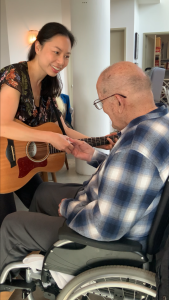
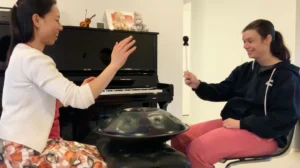
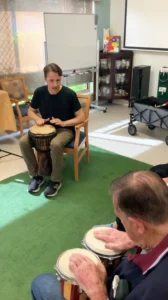
Traditional rehabilitation often focuses on specific functional outcomes such as walking, balance, hand use, speech, memory, planning, swallowing and daily tasks. Rather than replacing standard care, music therapy can support these goals within a broader treatment plan. Rhythm can help organise movement. Singing can support breath, voice and phrasing. Familiar music can increase motivation and attention. Shared musical tasks can also support mood, confidence and participation when rehab feels repetitive or tiring.
In practice, this might look like a person practising walking with a physiotherapist, then using rhythm-based music activities with a music therapist to support timing and movement patterns. Someone working on speech might see a speech pathologist and also use melodic intonation therapy with a music therapist, which uses pitch, melody and rhythm to help organise speech patterns and support communication recovery. The therapy goals should always be clear, practical and connected to the person’s everyday life.
Why Music Can Make Rehab More Engaging
Rehab can be physically and emotionally demanding. Progress may feel slow, and repeated exercises can become frustrating. A published systematic review of music therapy’s psychological outcomes in neurological conditions found that music can support mood and motivation, which may in turn support engagement with other parts of a rehabilitation program. A steady beat, familiar song or carefully chosen musical cue can help a person stay engaged for longer, especially when the activity connects with their interests, identity or personal goals.
Music also gives immediate feedback. If a person is moving in time with a beat, they can hear and feel the timing. If they’re singing a phrase, they can notice breath, pitch, rhythm and voice together. These experiences can support focus, attention and motor learning in ways that feel natural rather than forced, without making therapy feel like a test.
For some people, music therapy may also support emotional wellbeing around the practice of rehab itself, including helping to ease anxiety or stress associated with repetitive or demanding exercises. This can make the activity feel creative and supportive rather than purely clinical.
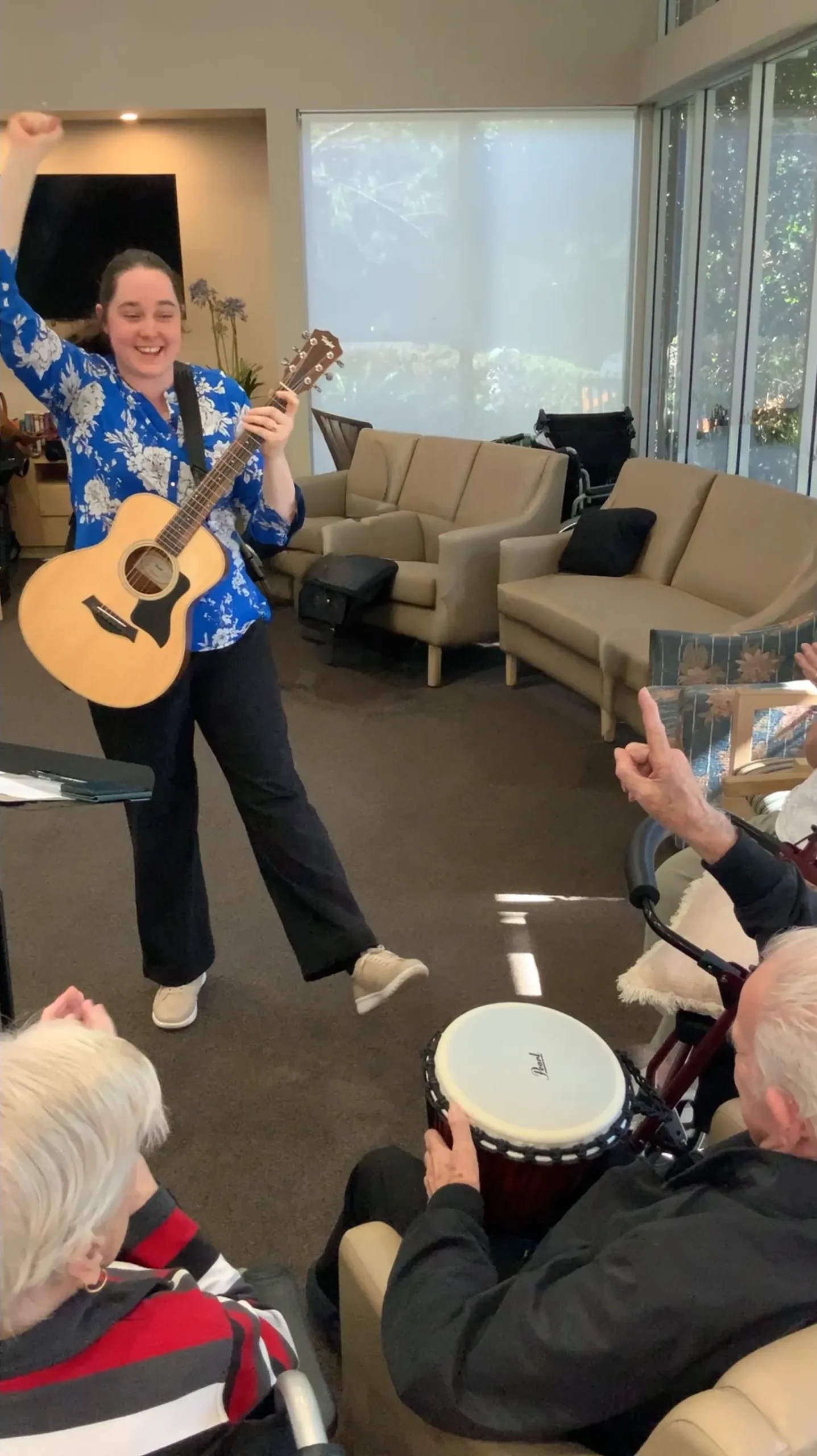
When Music Therapy May Be Helpful
Music therapy may be helpful when a person is working towards goals such as communication, movement, coordination, attention, memory, social participation or emotional wellbeing. This includes use in stroke rehabilitation, cognitive rehabilitation, recovery after traumatic brain injury, and support for movement disorders and other long-term neurological conditions.
Music therapy can also be useful when a person finds standard exercises difficult to engage with, or when motivation and confidence need extra support, including for people dealing with frustration, anxiety, grief or other emotional responses during rehabilitation. The approach should always be adapted to the person: some people may benefit from structured rhythm activities, while others respond better to singing, songwriting, listening tasks or instrument play. The music therapist should consider the person’s abilities, preferences, health needs and the recommendations of their broader support team, adjusting carefully if fatigue, pain, sensory sensitivity or other medical issues are present.
Questions Families Can Ask Before Starting
Families and participants may find it helpful to ask how music therapy will support daily life. Useful questions include what goals the sessions will focus on, how progress will be reviewed, and how the sessions will connect with other supporters and the person’s daily context. It’s also worth asking how the therapist will adapt sessions when the person is tired, overwhelmed or having a difficult day, and how the plan keeps the person’s safety, dignity and choice central throughout.
Working Safely With Music Therapists and Other Therapies
A strong therapy plan isn’t about choosing one support over another, it’s about understanding what different professionals can contribute together. Other clinicians may still be needed for diagnosis, physical assessment, speech assessment, equipment, medical care and specific rehab planning. Clear communication between providers helps keep goals consistent and supports safe, effective care overall.
How Progress Should Be Reviewed
Progress should be reviewed through practical changes, not only through how a session looks on the day. A person may show progress by staying engaged for longer, starting a movement more easily, using their voice with more confidence, following a rhythm, making choices, or joining in with less support. Families can also share what they notice between sessions, such as a person being more willing to practise, more settled before therapy, or more confident using a strategy in daily routines. These observations help the therapist adjust goals and keep the support useful.
Music therapy works best when it remains flexible, measurable and linked to what the person wants to do in real life. At Musicgrace, music therapy can support NDIS and broader therapy goals through practical, person-centred sessions. The focus is never on replacing important clinical supports, but on helping people practise meaningful skills, build confidence and stay connected to the activities that matter to them. Neurologic music therapy techniques such as rhythmic auditory stimulation may also be used for gait training or other timing-based practice where appropriate. If you’d like to talk through how this could fit alongside your existing rehabilitation plan, contact Musicgrace for a no-obligation conversation.