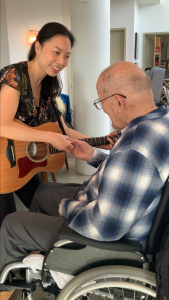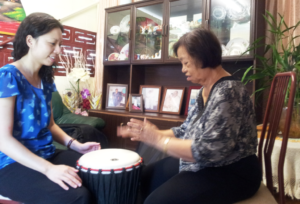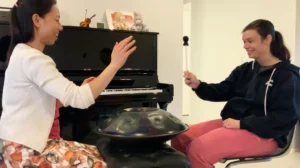

Simple musical moments can help families connect, communicate and share meaningful time together.
Family connection is often built in small, repeated moments. A song in the car, a dance in the kitchen, a bedtime lullaby, or a shared playlist can all become part of how a family communicates care. Music doesn’t need to be formal or perfect to be meaningful, it can be playful, calming, silly, gentle or familiar. What matters most is the shared experience.
Music for family bonding can be especially helpful when communication is difficult, routines feel rushed, or a child needs extra support to engage. For some children, music gives them a way to join in before they can explain themselves with words. For parents and caregivers, music can create a warm and practical way to connect without needing to know exactly what to say.
Why Music for Family Bonding Works in Daily Life
Music for family bonding works because it fits naturally into daily life. Families don’t need expensive equipment or advanced musical skills to use music during family time, a familiar song, gentle rhythm, or simple instrument can be enough to create a moment of connection. Different styles can suit different moments too: relaxed acoustic music for a calm gathering, something more upbeat for a living-room dance break, or older favourites that bring a sense of nostalgia and shared memory across generations.
Music also supports shared attention. When a parent and child listen to the same song, clap the same beat, or sing the same phrase, they’re focusing on something together. This can be especially useful for children who find direct conversation hard, the shared musical activity becomes the bridge. The child can participate by moving, looking, smiling, vocalising, choosing a song, or simply staying close.
Movement is part of this too. Whether it’s a spontaneous dance or simply tapping along to the beat, music encourages families to move together, and a playful musical break can lift the mood during a stressful day.
Building Communication Through Shared Songs
Songs can support communication because they’re predictable. When a child hears the same phrase again and again, they begin to know what comes next. Parents can use this by pausing before a favourite word or action, giving the child a gentle opportunity to fill the gap with a sound, gesture, movement or word, without pressure.
For children with speech or developmental delays, this can be more inviting than direct questioning. Instead of asking “what do you want to sing?”, a parent might offer two simple choices and let the child respond in whatever way is clear to them. Over time, these small choices help build confidence, expression and participation.
Music During Routines and Transitions
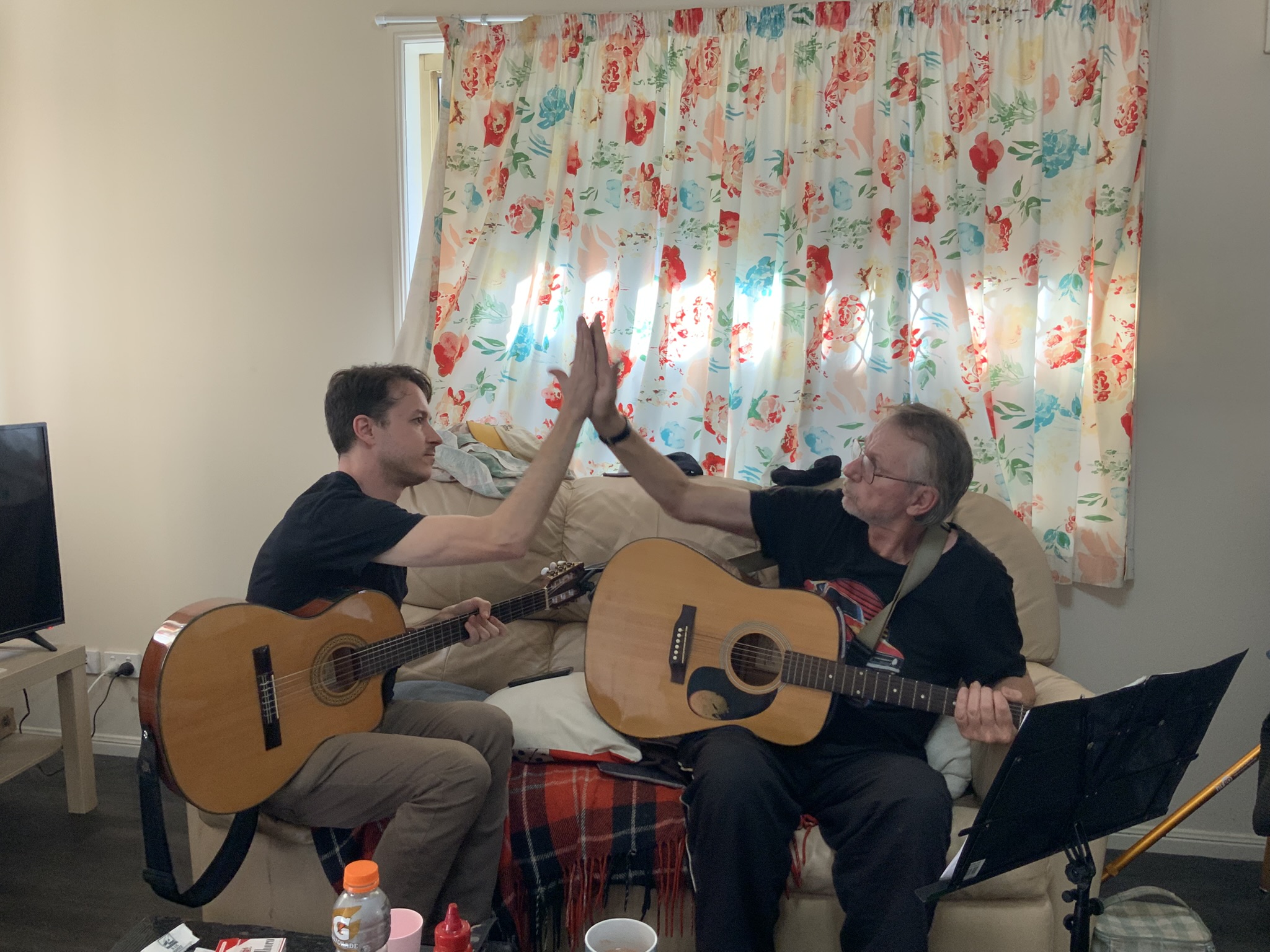
Routines are one of the easiest places to use music. A pack-up song can help a child know it’s time to clean up. A handwashing song can make a daily task more engaging. A goodbye song can help with separation or changes in activity. These songs don’t need to be long, short and repeated songs often work best because children can learn them quickly.
Transitions can be hard for many children because they involve stopping one thing and starting another. Music can soften that change. A family might use the same song before leaving the house, the same calming track after school, or the same lullaby at bedtime. The repetition helps the body and brain prepare for what’s coming next.
Supporting Parents and Caregivers Too
Music isn’t only for children. Parents and caregivers also need moments of calm, joy and connection. Caring for a child with additional needs can be rewarding, but it can also be tiring, and shared music can offer a way to reconnect when words feel hard or everyone feels worn out.
A parent might use music to slow the pace of the home, create a shared laugh, or bring comfort after a difficult day. Singing with a child, even quietly, can be a simple way to feel close again during a stressful stretch, one reason music can be such a useful tool in family-centred support.
Making Music Inclusive for the Whole Family
Family music should feel easy to join, even when family members have different ages, abilities or confidence levels. One person might sing, another might tap the beat, and another might simply listen. A child who isn’t ready to take the lead can still feel included when the activity leaves space for their response.
These shared moments can help siblings, parents and caregivers understand each other in a warmer, less pressured way. There’s no need for a particular song or artist, choosing music that’s already meaningful to your own family, whatever that looks like, is usually the most effective starting point.
How Music Therapy Can Help Families
While families can use music at home in simple ways, a registered music therapist can help shape these activities around specific goals. These may include communication, emotional regulation, social participation, confidence, parent-child interaction or daily routines. A therapist may also draw on music that reflects a family’s own story or preferences, depending on the child’s needs.
Therapy can also help families understand which music strategies are most useful for their child and which may be too stimulating. At Musicgrace, music therapy can support participation, communication and wellbeing for children with NDIS goals. The focus isn’t on creating a polished performance, it’s about helping families use music as a practical, caring and enjoyable way to connect. If you’d like to talk through how this could work for your family, contact Musicgrace for a no-obligation conversation.